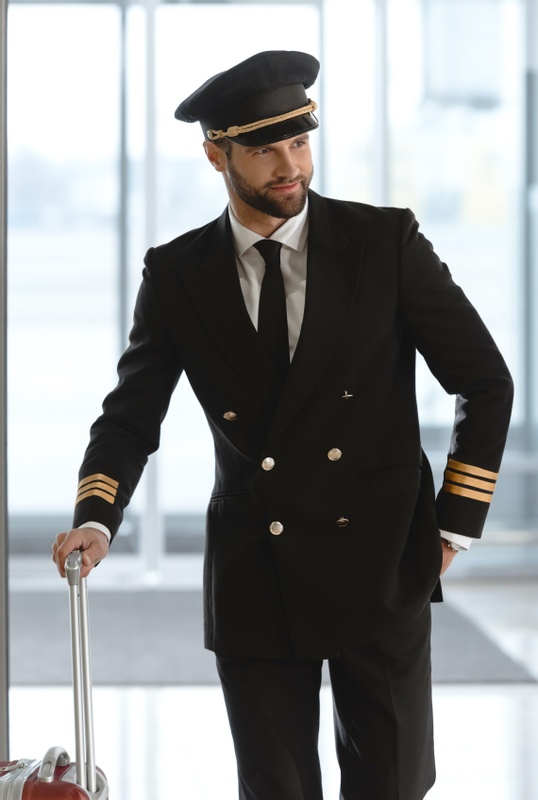
There is an old idea in aviation that a good pilot is unflappable: calm in a crisis, private about their problems, endlessly resilient. It is a flattering image, and it has quietly done a great deal of harm. A pilot who believes they must never struggle is a pilot who will never ask for help - and that, far more than the struggle itself, is what puts flight safety at risk.
“Fit to fly” is a phrase every pilot knows. It usually means a valid medical certificate: eyesight, cardiovascular health, the absence of disqualifying conditions. That matters, but it is a narrow definition of a human being. Wellbeing is the wider picture - how a person is coping with fatigue, stress, life events, relationships, and the relentless rhythm of the job. You can hold a perfectly valid medical and still be running on empty. Understanding that gap is what pilot wellbeing is really about.
Why aviation is uniquely demanding
Flying for a living asks things of people that most jobs never do. The body is dragged across time zones and asked to sleep and wake on command. Rosters shift, early starts and night flights disrupt the circadian rhythm, and “weekends” rarely land on Saturdays. Time away from home strains relationships and means missing the ordinary moments - birthdays, bedtimes, the small routines that hold family life together. Add to this the sheer weight of responsibility: hundreds of lives, expensive machinery, and a professional culture that prizes composure above almost everything else.
None of this makes pilots fragile. It makes them human, doing an extraordinary job under conditions that would test anyone. As one aeromedical specialist memorably put it, extensive research has confirmed beyond doubt that pilots are, in fact, only human. Wellbeing is simply the practice of taking that seriously.
The real barrier: the cost of speaking up
Here is the difficult truth at the heart of pilot wellbeing. For many pilots, the biggest obstacle to getting help is not the problem - it is the fear of what happens if they admit to it. When your licence, your income, and your identity are all bound up in staying “fit to fly,” disclosing that you are anxious, exhausted, grieving, or low can feel like handing someone the power to end your career. So people stay silent. They manage. They cope alone, often for years.
This silence is a safety issue. A culture that punishes honesty does not produce healthier pilots; it produces pilots who hide. The events that reshaped European aviation regulation a decade ago made this painfully clear, and the regulatory response that followed was built on a simple, humane insight: people are far more likely to seek help when doing so is safe, confidential, and free of punishment.
What good actually looks like
Good wellbeing practice is proactive, not reactive. It does not wait for a crisis; it builds the conditions that prevent one. In practice, that means several things working together:
- A genuine peer support programme. Under CAT.GEN.MPA.215, introduced by Regulation (EU) 2018/1042, European operators must provide flight crew with a proactive and non-punitive support programme - trained peers a colleague can talk to in confidence, before a problem grows. Confidentiality is not a nice-to-have here; it is the whole point.
- A just culture. One where reporting a struggle, or an error, is treated as professional maturity rather than a black mark. Without this, every other measure is theatre.
- Fatigue managed as a hazard, not a badge of honour. Tiredness is a predictable, measurable risk to performance. Treating it seriously - through rostering, education, and honest reporting - protects both the crew and the operation.
- Resilience and stress skills that are taught, not assumed. Coping well under pressure is a learnable competency, not a personality trait people are simply born with.
- Access to real support. Clear, confidential pathways to psychological help when someone needs more than a conversation with a peer.
The best time to start is day one
Here is the point that too often gets missed. The stoic, never-show-weakness culture this article warns about is not something pilots are born with - it is learned, and it is learned early. By the time a pilot reaches the line, years of quiet conditioning have usually already set the belief that struggling is failure. Trying to unpick that in an established captain is far harder than never instilling it in the first place.
Which is why the most effective wellbeing culture is designed in from the very first day of training, at the flight school and Approved Training Organisation level, and then carried consistently upward into airline operations. When a cadet learns from day one that looking after themselves, managing fatigue, and asking for help are simply part of being a competent, safe professional, wellbeing becomes part of their professional identity rather than a remedial programme bolted on after something goes wrong. Build it early, reinforce it through the airline, and you are no longer repairing a culture - you are growing a healthy one.
Wellbeing is a safety issue, not a soft one
It is tempting to file wellbeing under “nice to have” - the human resources budget, the annual awareness week. That is a mistake. A tired, isolated, or quietly struggling crew member is a human performance risk, and human performance is where most modern incidents are decided. Looking after the people in the flight deck is not a distraction from safety. It is one of the most direct investments an operator can make in it. It is also, not incidentally, good for retention, morale, and reputation.
How we help
Supporting crew wellbeing is one of the areas we work in at MyWingman, alongside our pilot assessment and selection work. We advise on and help build wellbeing programmes at every level - from ab initio training at flight schools and Approved Training Organisations through to established airline operations - because the strongest programmes are the ones built in from day one and carried consistently across a pilot's whole career, rather than bolted on once a problem has already emerged. Working with organisations, we help design and strengthen peer support programmes, build fatigue and stress strategies grounded in evidence, and develop the kind of just, open culture in which those programmes are actually used. Our work is delivered by EAAP-accredited Aviation Psychologist, who understand both the psychology and the operational reality of the job.
If you are building a wellbeing or peer support programme, or you want to understand how it connects to your obligations under CAT.GEN.MPA.175 and the wider EASA framework, contact our team and we will be glad to help.
A note for any pilot or crew member reading this: if you are going through a difficult time, you are not alone, and reaching out is a sign of professionalism, not weakness. Your operator's support programme, a trusted peer, or a qualified professional are all good places to start.